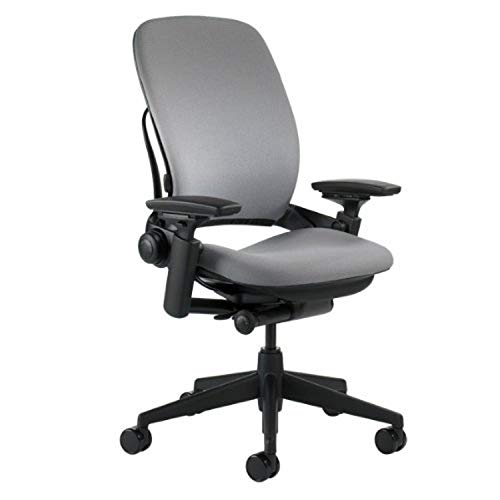
Who this recommendation is for
A chair can meet a published weight limit and still fit poorly. Seat height, usable width, depth, arm position, back shape, recline, and the way the user moves all affect comfort. Capacity should therefore be treated as a minimum eligibility requirement, followed by a careful fit assessment.
This guide prioritizes higher documented capacity and then compares adjustable support and long-term ownership details. It does not claim a universal ergonomic winner, because body dimensions, mobility, posture, temperature preference, and desk height change the result.
How we compare these products
We apply the durable requirements described on this page to the same deterministic recommendation pipeline used by the Finder. Product facts come from the canonical catalog and linked evidence. Amazon may provide marketplace identity, images, availability, and a fresh offer, but it does not determine rank.
Capacity must leave sensible margin
Use the manufacturer’s rating for the exact configuration and do not treat it as a target to exceed. Construction, warranty coverage, and intended use all belong in the check.
Seat geometry determines everyday fit
Minimum and maximum height, depth adjustment, width, front-edge shape, and arm clearance can matter more than extra controls that do not fit the user.
Support should move with real tasks
Lumbar, recline stop, and arm adjustments help only when their ranges reach useful positions for typing, meetings, reading, and getting in or out of the chair.
Important trade-offs
- Higher-capacity chairs can be heavier, wider, and harder to move through a small office.
- Many adjustment points improve fit potential but require time to configure.
- Premium warranties and replaceable components can raise initial cost while improving long-term value.
Buying checklist
- Compare body and desk measurements with the chair’s ranges.
- Confirm capacity and warranty for the exact size and upholstery.
- Check return policy because short showroom testing is limited.
- Adjust one control at a time and reassess after several work sessions.
Bottom line
Start with a verified capacity and physical fit, then compare support and warranty. The best chair is the one whose adjustment ranges fit the person and the desk—not the one with the longest feature list.