Automatic Litter Box Odor Control: What Actually Keeps Smells Contained?
Automatic litter box odor control depends on more than a deodorizer. Compare sealed drawers, carbon filters, active systems, litter fit and maintenance.

Automatic litter box odor control depends on more than a deodorizer. Compare sealed drawers, carbon filters, active systems, litter fit and maintenance.
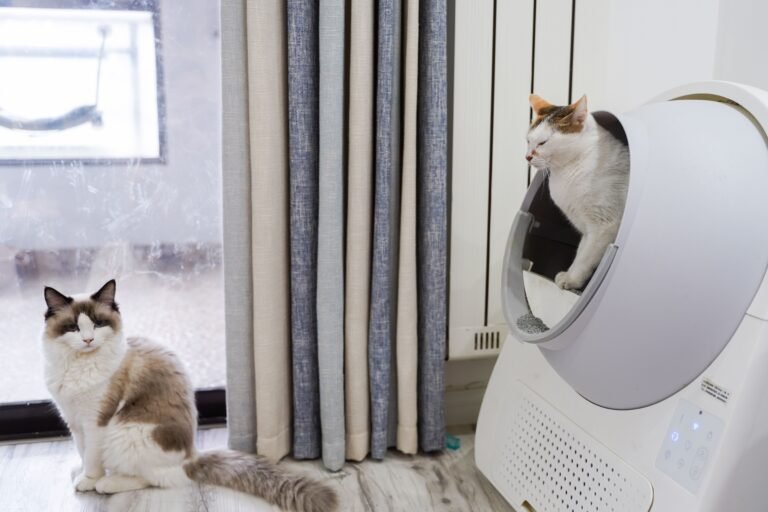
Automatic litter boxes handle Wi‑Fi loss and power outages very differently. Here is what still works offline, what stops, and what to check before you buy.
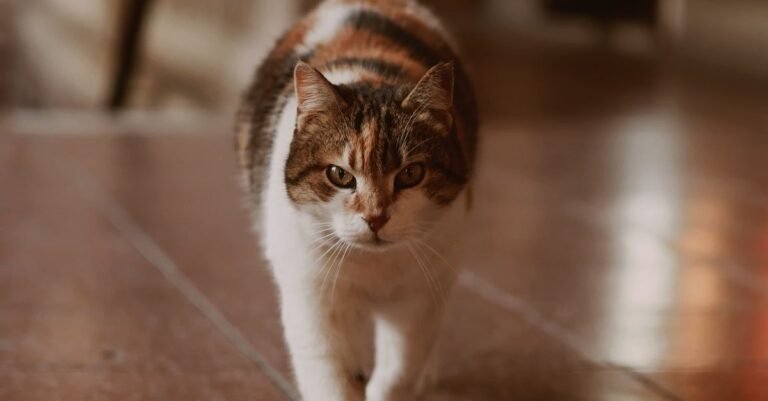
A senior cat may need more than a self-cleaning cycle. Compare entry height, ramps, interior access, placement and transition strategy before choosing an automatic litter box.

Automatic pet feeders make portion control convenient, but a programmed “portion” is not always a fixed gram weight. Kibble size, density, dispenser design and calibration all affect what reaches the bowl.
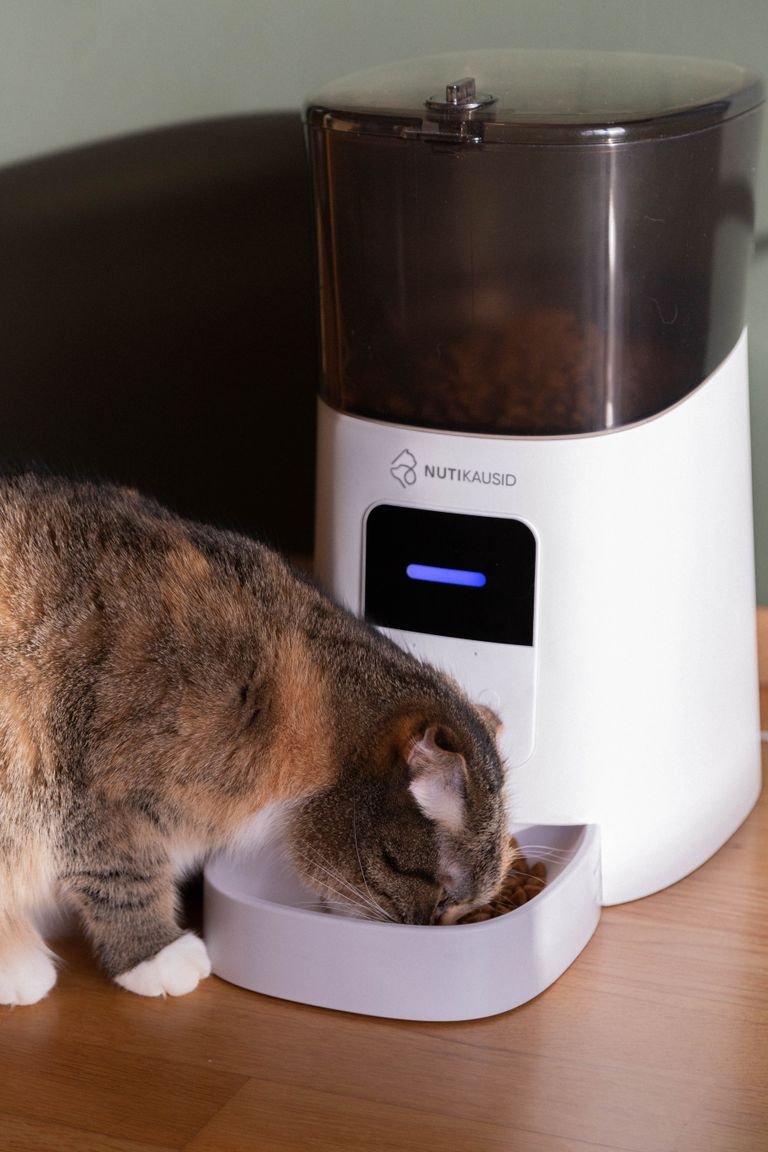
Automatic litter boxes scoop for you, but they still need drawer service, sensor cleaning, deep cleaning and consumable replacements. Here is what maintenance really looks like.
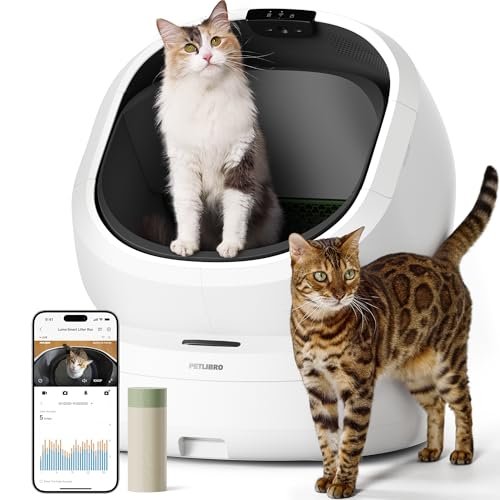
Automatic litter boxes use different minimum-weight rules for kittens. Compare current manufacturer thresholds, kitten modes, sensor limits and multi-cat risks before enabling automatic cleaning.

Automatic litter boxes do not all accept the same litter. Compare clumping clay, tofu, crystal and pellet compatibility before switching litter or buying a machine.

Open-top and enclosed automatic litter boxes solve different problems. Compare cat access, usable space, litter tracking, odor control, cleaning and safety before choosing a design.
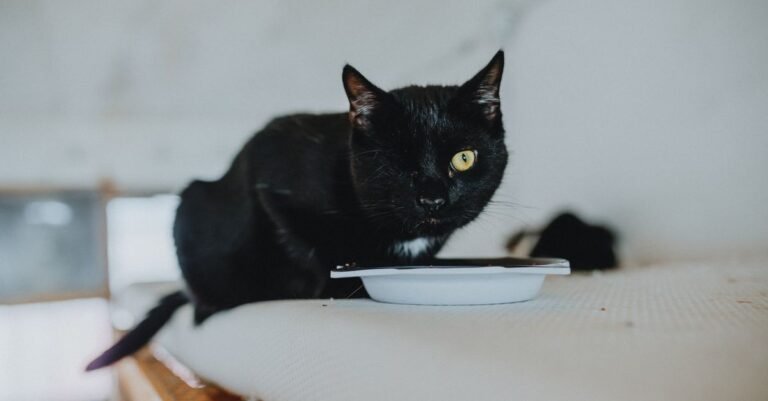
Wet food changes the feeder decision because timing is only half the job; temperature, exposure, cleaning and power reliability matter too. Here is how refrigerated feeders, ice-pack trays and freshness-seal designs differ in real use.