The tempting way to shop for an automatic litter box is to compare app screenshots,
cycle times and claims about how long the waste drawer can go between changes. I would
reverse that order. First ask whether your cat can enter, turn and leave comfortably;
whether the machine can reliably detect that cat; and whether you can clean the parts
that actually get dirty. Everything else is secondary.
model-specific safety, litter compatibility, cleaning access, household capacity, and
long-term cost. A polished app cannot rescue a box your cat avoids, a sensor that
cannot detect your kitten, or a drum you dread taking apart.
1. Start with a less exciting question: will your cat use it?
An automatic litter box is still a litter box. Your cat does not care how good the phone
notifications are. The cat experiences the entrance, the floor under its paws, the amount
of room inside, the smell, the sound and movement of the cleaning cycle, and whether another
cat can block the way out.
That makes temperament and mobility more important than the feature list. A confident adult
cat that already uses an enclosed box may adjust quickly. A cautious cat, a senior with stiff
joints, or a cat that dislikes covered trays may need a lower entrance, a more open design, a
quieter cycle, or simply a conventional tray instead.
International Cat Care notes that some self-cleaning trays can be small, noisy or startling,
and that individual cats may prefer an open tray. That does not mean automatic boxes are
universally bad. It means acceptance should be treated as a requirement, not assumed because
the product is marketed for cats.
A stronger candidate
An adult cat that uses a similar litter, enters covered spaces comfortably, has no mobility
problem, and is not easily startled by household appliances.
A reason to slow down
A very small kitten, a large cat with limited turning room, a senior that struggles with steps,
or a cat with a history of avoiding unfamiliar trays.
A sudden change in toileting behavior deserves attention rather than punishment. If a cat starts
avoiding the box, straining, visiting unusually often, or eliminating elsewhere, speak with a
veterinarian. A new machine should not be used to explain away a possible health or stress signal.
2. Measure the usable interior, not the impressive exterior
Product dimensions tell you whether the appliance fits beside a cabinet. They do not tell you
whether your cat fits inside. Rotating globes and covered chambers can have a large outer shell
but a much smaller usable floor, especially once the litter bed, internal guard and waste opening
are taken into account.
For a conventional tray, International Cat Care suggests a length around one and a half times the
cat’s nose-to-base-of-tail length. Automatic models do not always publish an equivalent interior
measurement, so use that guideline as a reality check rather than pretending every enclosed drum
meets it.
| What to measure | Why it matters | Common mistake |
|---|---|---|
| Entrance width and height | Shoulders, hips and posture need clearance during entry and exit. | Using the full product width instead of the opening dimensions. |
| Step-up height | Kittens, seniors and cats with reduced mobility may struggle with a tall lip. | Assuming an optional step completely solves access. |
| Usable floor or globe area | The cat needs room to turn, dig, squat and leave without pressing against a wall. | Comparing only the machine’s outside footprint. |
| Rear and side clearance | Some units need space for rotation, drawer removal, ventilation or accurate weighing. | Pushing the unit tightly into a corner because the body technically fits. |
| Drawer-removal clearance | You need enough room to empty the box without dragging the whole appliance out. | Checking installation space but not maintenance space. |
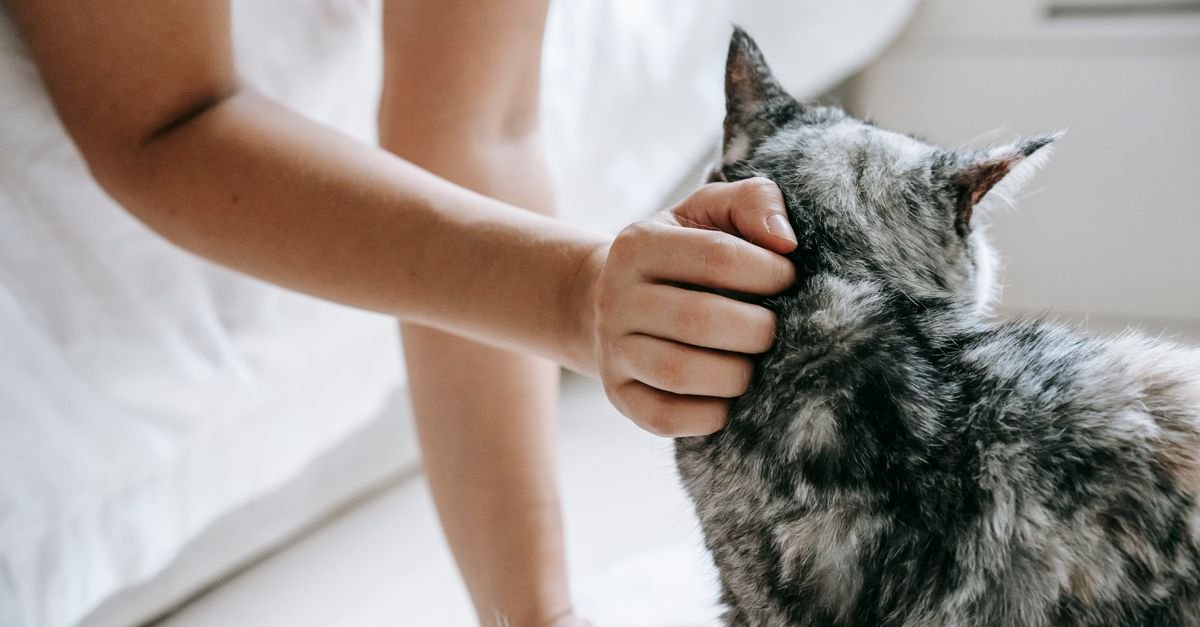
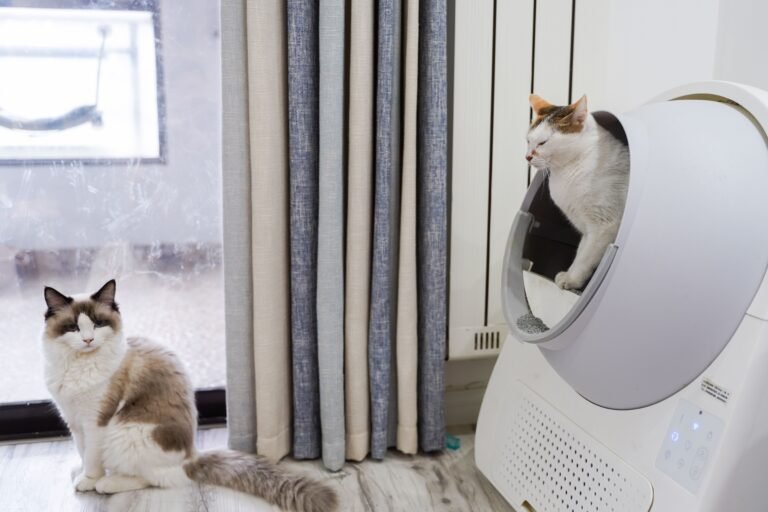
Sam Lion
on Pexels.
It does not depict or endorse a specific automatic litter box.
a long, broad-framed cat may weigh the same yet need very different interior space. Look for
entrance and usable-area measurements, owner photos that show scale, and a return window long
enough for a careful transition.
3. Treat safety as a system, not a sensor count
Most established automatic boxes combine more than one safeguard: weight sensing, infrared or
distance sensors, cycle delays, obstruction detection, motor-current monitoring, pinch protection,
and software that stops or reverses a cycle. The useful question is not “How many sensors does it
have?” but “What happens when one input is missed, blocked or misread?”
Minimum weight is model-specific
Do not borrow a kitten threshold from a different model, even from the same manufacturer. For
example, the Litter-Robot 4 manual states a 3 lb minimum for unattended Automatic Mode, while an
older Litter-Robot 3 manual specifies 5.5 lb. The lesson is not that one number is universally
safe. The lesson is that the exact manual for the exact model controls the decision.
If any cat in the home falls below the stated detection limit, automatic cycling should remain
disabled unless the manufacturer gives a specific supervised or semi-automatic procedure. Also
check whether lightweight litter, a mat partly under the base, soft flooring or contact with a wall
can interfere with weight measurement.
Questions a useful manual should answer
- What is the minimum cat weight for automatic operation?
- How long after the cat exits does a cleaning cycle begin?
- Which sensors must remain clean and unobstructed?
- Does the cycle stop immediately if a cat re-enters?
- What happens after a power interruption or software restart?
- Can automatic cycling be locked off while manual cycling remains available?
- How are pinch, obstruction and motor faults reported?
- Does the manufacturer publish a complete manual before purchase?
During the first week, watch actual cycles instead of trusting the setup screen. Confirm that each
cat is detected, the delay is appropriate, the machine sits level, and no curious cat tries to enter
while the mechanism is moving. Automation should reduce repetitive work, not remove observation.
4. Confirm litter compatibility before assuming you can keep your current brand
“Works with clumping litter” is only the beginning. Sifting openings, rake spacing, weight sensors
and waste-chute design can be sensitive to granule size, litter weight and how firmly a clump holds
together. A litter that performs well in a plain tray may break apart, stick to a liner, clog a rake,
or fail to pass through a screen in an automatic system.
Check the manual for all of the following:
- whether the box requires clumping clay, crystal litter, or a proprietary tray;
- whether lightweight, plant-based, pellet or non-clumping litter is excluded;
- the allowed litter depth and fill line;
- whether overfilling affects sensors or rotation;
- whether a particular litter creates more tracking, dust or stuck clumps in that design.
Proprietary systems deserve a separate cost check. PetSafe, for example, states that one current
ScoopFree model is compatible only with its official disposable or reusable crystal trays. That may
be convenient for someone who wants a pre-portioned system, but it also means the tray ecosystem is
part of the purchase. Availability and refill price matter as much as the appliance price.
5. In a multi-cat home, capacity is not the only issue
Marketing often frames multi-cat use as a drawer-capacity problem: more cats simply fill the drawer
faster. Real households are more complicated. One cat may guard the entrance. Another may dislike
sharing. A timid cat may avoid a unit placed where it can be cornered. A tracking feature may also
struggle to distinguish cats with similar weights.
Feline environmental guidance emphasizes multiple, separated resources so cats can access what they
need without competition. International Cat Care’s general litter-tray guidance is one tray per cat
plus one extra, positioned in different locations rather than lined up as a single toilet station.
A self-cleaning box can be one of those resources; buying one does not automatically justify removing
every other tray.
Two cats, similar weights
Do not assume weight-based app tracking will identify each cat accurately. Treat the data as a
clue unless the system has a reliable way to distinguish them.
One cat blocks another
A single enclosed entrance can become a social bottleneck. Keep another box in a separate,
accessible location rather than placing all toilet resources together.
A high-output household
Drawer size, bag fit, odor sealing and how easily the drawer can be emptied may matter more than
a headline claim about days between changes.
Different litter preferences
An automatic box built around one litter type may not suit every cat. Keep an acceptable
alternative rather than forcing one substrate on the whole household.
6. “Self-cleaning” does not mean self-maintaining
The machine removes clumps from the litter bed. It does not wash itself, clean sensors, wipe the
entrance, remove dust from gears, sanitize the waste drawer, or free stuck litter from seams. The
best design is not the one with the most dramatic cleaning animation. It is the one you can maintain
without turning a fifteen-minute job into a disassembly project.
Look at the dirty parts, not the showroom photo
Product pages usually show the appliance closed and spotless. Before buying, find the cleaning section
in the manual and look for photos or diagrams of the liner, screen, rake, waste chute, sensors, drawer,
seals and removable panels. Then ask how each part is reached and whether it can be rinsed, wiped only,
or must stay completely dry because electronics are attached.
| Routine | Typical work to expect | What makes it easier |
|---|---|---|
| Daily or near-daily check | Confirm operation, inspect the litter bed, top up litter, notice unusual waste or behavior. | Clear status lights, visible litter level and easy manual cycle control. |
| Drawer service | Remove the bag or tray, check seals, wipe spills and reset the indicator. | A drawer that opens fully without moving the entire unit. |
| Regular wipe-down | Clean the entrance, step, sensors, splash areas, rake or globe edge. | Smooth surfaces and removable guards without narrow crevices. |
| Deep clean | Empty litter, separate washable parts, remove stuck material, dry completely and reassemble. | Tool-free disassembly, replaceable liners and a clear water-safety diagram. |
Odor control depends on this maintenance. A sealed drawer, carbon filter or deodorizing insert can
help, but none compensates indefinitely for a dirty chute, damp litter, a torn liner or waste left
too long in a warm room. Treat odor features as part of a system that still needs emptying and washing.
Placement changes both cleanliness and reliability
A good location is quiet, easy for the cat to reach, separated from food and water, and practical for
you to service. It also needs the flooring and clearances specified in the manual. Some weight-sensing
units require a firm, level surface and can misread when placed on thick carpet, an unstable platform,
a mat that sits partly under the base, or a body pressed against the wall.
7. Separate core operation from the app, cloud and subscription
An automatic litter box may have four different layers: the physical cleaning mechanism, local controls,
a mobile app, and cloud services. Those layers do not always fail together. The box might continue to
cycle when Wi-Fi is down but stop sending alerts. Historical weight charts may require an account.
Advanced health reports may sit behind a paid plan even when basic operation remains free.
Before paying for connected features, get written answers to these questions:
- Will the box still clean on schedule without Wi-Fi?
- Can cycle delay, sleep mode and manual cleaning be changed on the unit itself?
- Which features require a cloud account or subscription?
- What data is stored about the household and the cat?
- Can notifications be shared with another caregiver?
- What happens if the manufacturer discontinues the app or cloud service?
The best answer is not necessarily “no app.” Remote fault alerts can be genuinely useful, especially
when the box jams while you are away. The goal is to know which convenience features are optional and
which functions the appliance cannot perform independently.
8. Calculate the running cost before the return window closes
Automatic litter boxes shift work, but they can also shift spending. The purchase price is obvious.
The quieter costs arrive later: compatible litter, bags, drawer liners, carbon filters, deodorizing
packs, proprietary trays, cleaning products, subscriptions and replacement parts.
A simple annual estimate is more useful than arguing about whether a machine is “expensive” in the
abstract. Use the household’s real consumption rather than the manufacturer’s longest interval.
| Cost line | How to estimate it | Question to verify |
|---|---|---|
| Litter | Monthly bags or weight used × current price × 12 | Does the unit require a heavier, premium or proprietary litter? |
| Bags, liners or trays | Changes per month × unit price × 12 | Can standard bags be used, or only branded refills? |
| Filters and deodorizers | Recommended yearly replacements × current price | Is the filter functional, optional, washable or subscription-based? |
| App or health plan | Monthly or annual fee | Which features disappear when the plan ends? |
| Wear parts | Expected liner, rake, seal or motor replacements over ownership | Are parts sold individually, and for how long? |
| Purchase price | Price divided by the number of years you realistically expect to keep it | How long is the warranty, and what does return shipping cost? |
Also read the return terms before introducing the cat. Litter boxes are hygiene products, and some
retailers apply special cleaning, packaging or shipping requirements. A generous trial is only useful
if you understand how to return a used unit and what costs are deducted.
9. Introduce the new box slowly enough to learn something
The cleanest transition is usually uneventful, which is exactly what you want. Place the automatic box
near an accepted tray if the manufacturer allows it. Use a familiar compatible litter. Leave the new
machine powered off at first so the cat can inspect it without movement. Do not place the cat inside or
trigger a cycle while the cat is exploring.
Once the cat is using the new box, run manual cycles when the cat is elsewhere and observe the reaction.
Move to automatic operation only after the cat meets the model’s weight requirement and is comfortable
with the sound and motion. Keep the old tray available during the transition instead of making the new
machine the only option overnight.
on the same day make it difficult to tell what the cat dislikes. Familiar litter and a powered-off
introduction give you clearer information.
10. Final automatic litter box buying checklist
- My cat can enter, turn, dig and exit without crowding.
- The step height works for the youngest, oldest and least mobile cat in the home.
- Every cat meets the exact model’s minimum weight for automatic mode.
- The manual explains sensor cleaning, cycle interruption and fault behavior.
- My preferred litter is explicitly compatible with the sifting or rake system.
- I have room for operation, ventilation, drawer removal and deep cleaning.
- I understand what still works without Wi-Fi, cloud access or a subscription.
- The waste drawer fits my household’s real output, not only the marketing maximum.
- Consumables and replacement parts are available at a cost I can accept.
- I can keep at least one suitable alternative tray during transition and outages.
- The return policy allows a realistic, hygienic trial with clear shipping terms.
- I am willing to inspect waste and behavior rather than treating automation as invisibility.
Choose the toilet first and the gadget second.
A worthwhile automatic litter box should be comfortable for the cat, conservative about safety,
compatible with a litter you can maintain, and simple enough to clean for years. Once those conditions
are met, app alerts, usage history and a longer waste interval can be useful bonuses. Starting with the
bonuses is how buyers end up with an expensive appliance beside the ordinary tray their cat still prefers.
Sources and further reading
International Cat Care: Choosing a litter tray for your cat
— tray size, placement, cleaning, mobility, multi-cat resources and cautions about self-cleaning trays.
Feline Veterinary Medical Association and International Cat Care: Your Cat’s Environmental Needs
— separated resources and reducing competition in multi-cat homes.
Litter-Robot 4 instruction manual
and
Litter-Robot 3 instruction manual
— examples showing that minimum weight, flooring and operating requirements differ by model.
PetSafe ScoopFree Crystal Plus product information
— an example of a system with model-specific tray and litter compatibility.- Featured image: photo by Nikita Belokhonov on Pexels.
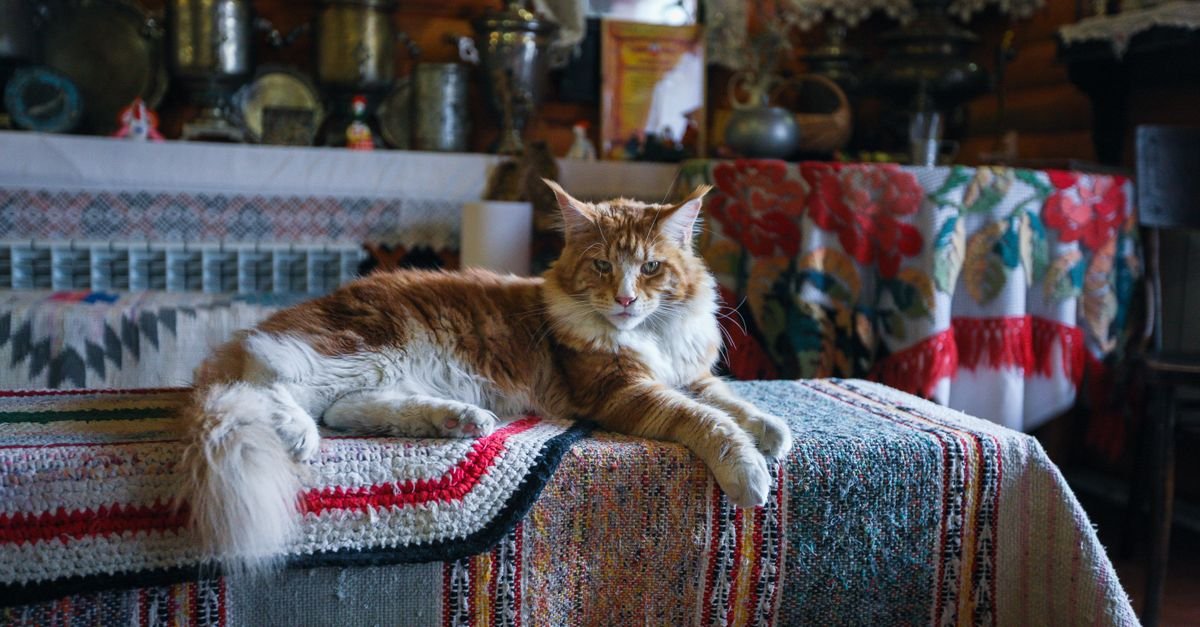
- Inline image: photo by Sam Lion on Pexels.
- Photos provided by Pexels.