A robot vacuum and mop combo sounds like the obvious upgrade: one machine removes crumbs and hair, then wipes the hard floor in the same cleaning routine. In the right home, that can eliminate a surprising amount of weekly maintenance. In the wrong home, it can add water tanks, mop washing, carpet rules and dock cleaning to a robot that you mostly wanted for vacuuming.
A robot vacuum and mop combo is easiest to justify in homes with meaningful hard-floor area, frequent light spills, paw prints or kitchen grime, and a layout where automatic carpet handling works reliably. It is less compelling in mostly carpeted homes or when you are unwilling to maintain water tanks, mop rollers and the dock. The best systems automate mop washing and carpet transitions; the cheapest systems may simply drag a damp pad behind the vacuum.
“Vacuum and mop” can describe very different machines
The category ranges from basic robots with a small water tank and passive cloth pad to premium machines with spinning discs, roller mops, automatic lifting, self-washing docks, hot-air drying and separate clean- and dirty-water tanks.
Those designs do not solve the same problem. A passive pad is useful for light dust and fresh marks on a hard floor. A rotating or rolling mop with downward pressure can provide more active scrubbing. A self-washing station changes the maintenance model by cleaning the mop between rooms or after a run.
Current products show how wide the category has become. iRobot’s iRobot's current robot vacuum-and-mop lineup now spans simple 2-in-1 robots and AutoWash-dock systems. Eufy’s eufy's current Omni C28 specifications combines a self-cleaning roller mop with automatic dust emptying, hot-air drying, tank refilling and dirty-water collection. Roborock’s Roborock's current Qrevo Pro specifications uses dual spinning mops, mop washing and carpet-specific behavior.
A damp pad is not the same thing as scrubbing
The simplest combo robot pulls a damp microfiber pad across the floor while it vacuums. That can remove a thin layer of dust and fresh footprints, but it has limited ability to work on dried stains.
More advanced robots add movement or pressure. iRobot’s current Combo 10 Max uses SmartScrub, which moves back and forth with pressure in targeted areas. Eufy’s Omni C28 uses a powered roller mop with continuous water delivery and real-time self-cleaning. Roborock’s Qrevo Pro uses two spinning mops at up to 200 RPM.
These mechanisms can improve mopping, but they also add components to clean and replace. The correct question is not which design looks most advanced. It is what kind of mess you want the robot to handle automatically.
Combo robots are best at frequent maintenance, not every kind of floor washing
A good robot mop can keep kitchen footprints, light pet marks and everyday film from building up. That is a valuable job because it can happen several times per week without you getting out a bucket.
It is less realistic to expect a robot to handle every sticky spill, greasy cooking residue or dried mess without preparation. Even eufy’s current C28 guidance recommends vacuum-only passes before initial mopping and suggests pre-wetting stubborn stains before repeated mop passes. The current guidance is available on eufy's current Omni C28 specifications.
I would therefore think of the combo robot the same way I think about robot vacuuming: it is strongest at keeping the baseline clean. Deep cleaning still exists, but you need it less often.
Carpet handling can make or break the entire idea
A combo robot in a mixed-floor home needs a safe answer to one basic question: what happens to the wet mop when the robot reaches carpet?
Some systems avoid mapped carpet. Some lift the mop a few millimeters. iRobot’s iRobot's current Roomba Combo 10 Max specifications takes a more dramatic approach by retracting the mop pad onto the top of the robot so the wet pad does not touch carpet. Roborock’s Qrevo Pro lifts its mops by 10 mm and can be configured to vacuum carpet before wetting the mops.
These are meaningful differences. A lifting system that works perfectly on a flat low-pile rug may still contact a thick plush carpet. A fully retractable system has more clearance but uses a more complex mechanism.
If your home has important rugs or wall-to-wall carpet, our guide to using a robot vacuum on carpet covers pile height, Carpet Boost, rug edges and transitions in more detail.
Do not assume “mop lift” means your carpets are automatically safe
Lift height should be treated as a physical dimension. Roborock currently publishes 10 mm for the Qrevo Pro. That is enough to clear some rugs and carpets, not a universal guarantee for every soft surface.
Thick bath mats, shag rugs and plush carpet can still reach a lifted mop. If keeping a particular rug completely dry matters, I would use a no-mop or keep-out zone even when the robot has automatic lifting.
You can compare combo robots with automatic mop lifting, but compare the published lift method and your actual rug thickness rather than trusting the generic phrase “carpet detection.”
Vacuuming before mopping usually gives a cleaner result
Dragging a wet mop through loose dust and hair can create streaks or muddy residue. That is why cleaning order matters.
Some premium systems can vacuum and mop simultaneously, but they may also support vacuum-first routines. Roborock’s current carpet workflow explicitly allows carpets to be cleaned before the mops are dampened. Eufy’s C28 guidance recommends running vacuum-only mode two or three times before initial mopping if there is accumulated dust and hair.
In a pet home, I would give this even more weight. Hair handling and detangling remain fundamental because the mop should not be asked to deal with debris the vacuum failed to collect.
Our guide to robot vacuums for pet hair explains why brush design and hair wrap should be evaluated separately from the mopping system.
A self-washing dock can be more valuable than the mop itself
The biggest limitation of a reusable mop is obvious: once it becomes dirty, continuing to drag it through the home can spread grime rather than remove it.
Premium docks attack that problem by washing the mop automatically. iRobot’s AutoWash dock can wash and dry the Combo 10 Max mop pad after use and can be configured to wash after specific rooms. Eufy’s C28 station washes the mop, collects dirty water, refills clean water and dries the mop with warm air. These current functions are described on iRobot's current Roomba Combo 10 Max specifications and eufy's current Omni C28 specifications.
This can make mopping much more autonomous. It also moves the mess to the station. You now have a dirty-water tank and dock tray that need attention.
Dirty-water tanks are the hidden chore of automated mopping
When a station washes a dirty mop, that water has to go somewhere. All-in-one docks separate clean water from wastewater, which is exactly what you want for hygiene, but the dirty tank eventually needs to be emptied and rinsed.
If left too long, dirty mop water can smell. This is one of the clearest examples of automation redistributing a chore instead of deleting it.
I would check how easily both tanks lift out, whether the station tells you when one needs attention and whether the base tray is accessible for manual cleaning. A station with impressive automation can still be unpleasant if servicing it is awkward.
Hot-air drying matters because a wet mop stays in the dock
After washing, a damp mop stored in an enclosed station can develop odor if it stays wet for too long. Drying systems are designed to reduce that problem.
Eufy’s current C28 station advertises automatic hot-air drying, while iRobot’s AutoWash dock also dries the mop pad after washing. These are not glamorous cleaning-performance features, but they can have more impact on day-to-day ownership than another app setting.
If you live in a humid climate or expect the robot to mop frequently, I would give mop drying more weight than someone who uses the function once per week in a dry environment.
The dock becomes a small floor-cleaning appliance of its own
A premium combo station may include a dust bag, clean-water tank, dirty-water tank, washing tray, pump system and drying hardware. It needs more space and more service access than a simple charging base.
This is where the trade-off with our self-empty dock guide becomes important. A self-empty station may remove one recurring task. An all-in-one mopping station removes several tasks but also has more parts that can require cleaning.
If your main need is vacuuming, do not buy the larger station merely because it is the premium version. The extra automation has value only when you use the mop.
Mostly carpeted homes are a weak use case for expensive mopping hardware
Imagine a home that is 80 percent carpet with a small tiled kitchen and two bathrooms. A high-end self-washing mopping system may spend most of its cleaning run lifted above the floor.
In that layout, I would compare the price premium against a strong vacuum-only robot plus occasional manual mopping. The robot’s carpet pickup, navigation and self-empty capacity may matter far more than mop sophistication.
If that sounds like your home, you can compare vacuum-only robot vacuums on Amazon. A simpler system can sometimes be more automatic because there are fewer water-related components to maintain.
Hard-floor-heavy homes make the strongest case for a combo
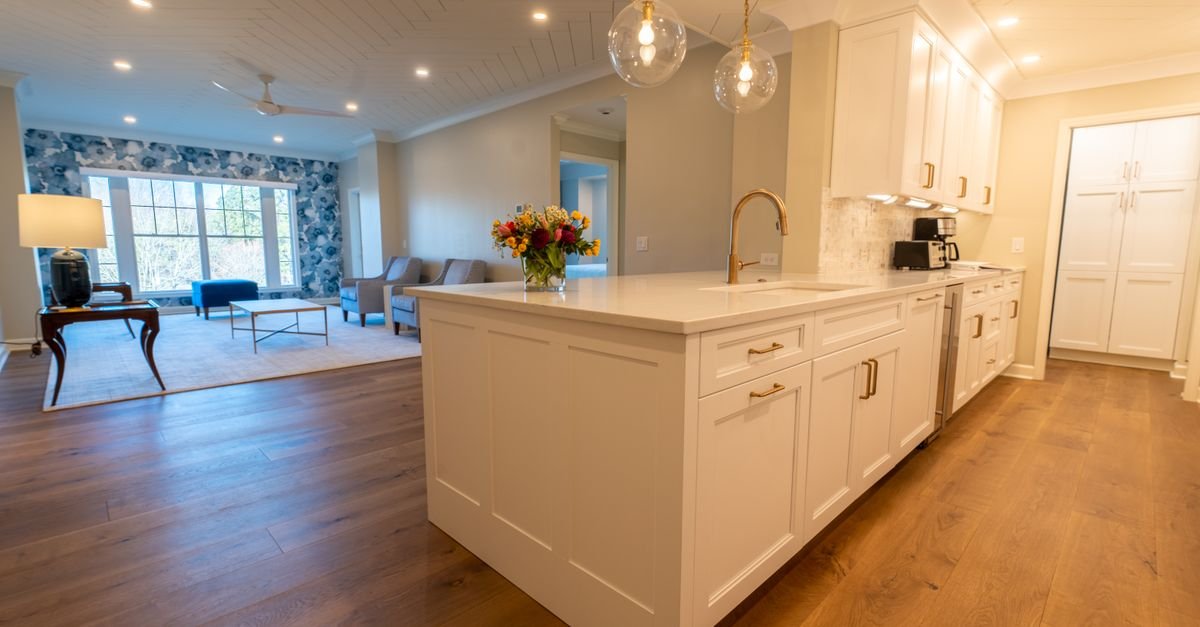
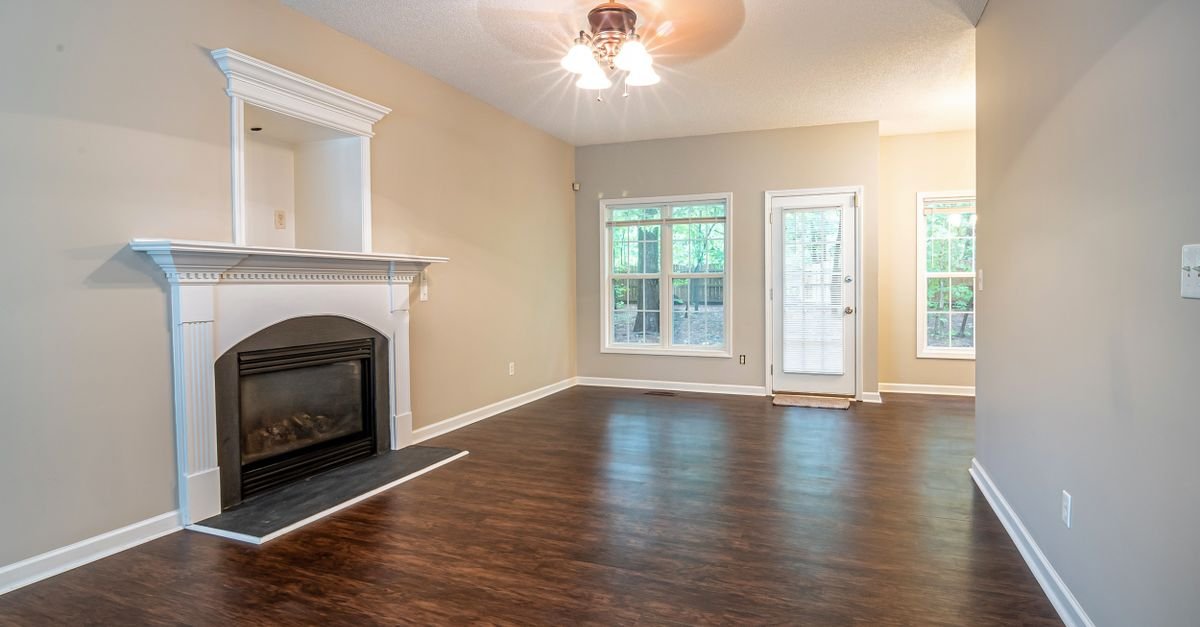
Tile, sealed hardwood, vinyl and similar surfaces are where mopping can cover a meaningful percentage of the home. Kitchens and entryways also produce the kind of frequent light messes that automation handles well.
For a household with kids, pets or frequent cooking, wiping those zones several times per week can make the floor feel consistently cleaner even if the robot never replaces an occasional deep mop.
This is the use case where I would pay attention to water-flow settings, pressure or mop movement, edge reach and whether the robot can return to wash its mop during a larger job.
Edge mopping is improving, but walls and corners still matter
Round robots cannot naturally put a central mop directly against every baseboard. Manufacturers increasingly use extending mop arms or wider roller designs to reduce the missed strip along walls.
Roborock’s Qrevo Pro currently uses FlexiArm edge mopping to extend one spinning mop outward. Eufy’s C28 uses an extra-long roller and edge-focused design. These approaches can improve coverage, but I would still expect occasional manual cleaning in corners.
The relevant comparison is how much untouched border remains, not whether the feature is called “edge cleaning.”
Estimate what percentage of the floor you would actually allow the robot to mop. If the answer is 20 percent, be cautious about paying a large premium for the most elaborate mop station. If the answer is 70 percent and you currently mop those floors every week, the automation can remove much more real work.
Multi-floor homes expose another limitation
Vacuuming on a second level is easy: carry the robot upstairs and let it clean from its stored map. Automated mopping is more dependent on the dock because the robot may need the station to wet, wash or refill the mop.
Eufy’s current C28 guidance explicitly says vacuum-only cleaning can be started on another floor, while vacuum-and-mop use should begin at the Omni station to wet the roller; without a station on that level, the owner must manually return the robot for mop washing and charging.
If you have several floors with large hard-floor areas, this can weaken the value of an expensive self-washing system unless you are willing to move the robot or buy another station.
Cleaning solution is another compatibility question
Robot-mop manufacturers may specify whether detergent is allowed and what concentration should be used. Pouring ordinary floor cleaner into a robot tank can create foam, residue or damage.
Eufy’s current C28 documentation directs users to approved cleaning solution and specifies dilution guidance. I would follow the manufacturer’s instructions rather than assuming a familiar household cleaner is safe for the pump and internal water path.
That also means cleaning solution can become another recurring ownership cost for households that use it frequently.
A combo robot still needs a good vacuum underneath
Premium mopping can distract from the robot’s original job. If the brush tangles, navigation is unreliable or the onboard debris path clogs, the mop does not rescue the system.
I would first verify that the robot fits the vacuuming needs of the home: carpet percentage, pet hair, obstacles, thresholds and self-emptying. Then evaluate the mop as the second layer.
This is especially important because many high-end combo models command a substantial premium. A strong mop attached to average vacuuming is not necessarily a better purchase than an excellent vacuum robot plus a manual mop.
Obstacle avoidance matters more when the mop is wet
A robot that pushes a small object while vacuuming can be inconvenient. A robot that drags a wet mop over that object or through an unknown spill can create a larger mess.
Current premium combo robots increasingly pair mopping with camera or structured-light obstacle systems. iRobot’s Combo 10 Max, for example, uses PrecisionVision to identify obstacles including cables, shoes, socks, pet toys and pet waste according to its current product page.
I would still treat obstacle recognition as risk reduction, not permission to leave the floor unchecked when a pet has been ill or there may be liquid spills the robot should not touch.
Water and electronics increase the importance of maintenance discipline
A combo robot contains both a vacuum airflow path and a controlled water system. Filters, brushes, rollers, mop fabric, tanks and dock components all have their own service intervals.
The more automated the station becomes, the more important it is to follow its cleaning instructions. A dirty dock can undermine the entire idea of washing with a clean mop.
This is why I would read the maintenance section of the user manual before buying a premium combo, not after it begins to smell or leave streaks.
The best combo may not have the most features
One home may need a simple mop that runs twice a week on tile. Another may benefit from roller self-cleaning because muddy paw prints appear every day. A third may need excellent carpet handling more than advanced mopping.
BestByNeed’s recommendation logic should therefore treat mop design, carpet percentage, dock maintenance tolerance and hard-floor area as separate needs rather than rewarding whichever model has the longest feature list.
If you want to compare available systems, you can compare robot vacuum and mop combos on Amazon. I would look at mop mechanism, lift or retract behavior, self-washing, drying, tank access and actual hard-floor coverage before comparing suction numbers.
When I would buy a robot vacuum and mop combo
I would choose one when the home has substantial sealed hard flooring, everyday marks are common and the robot can move between rugs and hard floors without creating a wet-carpet problem. A self-washing dock becomes especially valuable if mopping will happen several times per week.
The premium makes sense when the mop removes a chore you currently perform often.
When I would stay with vacuum-only
I would stay with a vacuum-focused robot when most of the home is carpet, hard-floor mopping is occasional, the dock would be too large or I know I will not maintain dirty-water tanks and mop components.
I would also choose vacuum-only if the budget trade-off means getting better navigation, carpet pickup or obstacle avoidance. The robot must complete its primary cleaning job reliably before extra automation matters.
A robot vacuum and mop combo is worth it when the mopping system removes more work than it creates.
The best combo robots can vacuum, scrub hard floors, protect carpets, wash their own mop and reduce daily intervention. But every layer of automation adds hardware, water handling and maintenance. Match the system to the percentage of hard flooring you actually want mopped, the rugs it must cross and the amount of dock servicing you are willing to do.
If you want recommendations matched to your floors, use the BestByNeed Finder and describe your hard-floor percentage, carpet and rug types, pets, need for mop lifting, desired dock automation and tolerance for water-tank maintenance.